


Is Your Check Engine Light On? Now What? – A Guide from Courtesy Kia
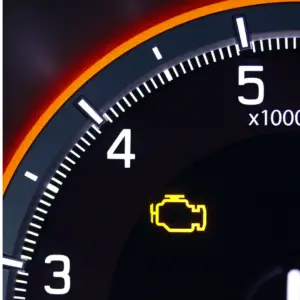 Modern vehicles are equipped with a plethora of advanced technologies designed to enhance safety, performance, and overall driving experience. One such technology is the “Check Engine” light, a dashboard warning that can make any driver’s heart skip a beat. While it’s easy to feel a sense of panic when this light comes on, it’s important to understand that it’s not necessarily a reason to worry. In this guide, Courtesy Kia explores the common reasons behind a check engine light activation and offers insights into the appropriate steps to take.
Understanding the Check Engine Light: The check engine light, often depicted as an engine symbol or as “CEL” on your dashboard, is a part of your vehicle’s onboard diagnostics (OBD-II) system. It’s designed to monitor various components and systems in your vehicle to ensure they’re operating within optimal parameters. When the system detects a potential issue or deviation from the norm, it triggers the check engine light to inform the driver that something requires attention.
Common Reasons for Check Engine Light Activation:
- Loose Gas Cap: Believe it or not, a loose, damaged, or missing gas cap can trigger the check engine light. A secure gas cap is vital for maintaining proper fuel system pressure.
- Faulty Oxygen Sensor: The oxygen sensor measures the amount of oxygen in your exhaust gases, helping the engine control module (ECM) adjust fuel mixture. A malfunctioning sensor can decrease fuel efficiency and increase emissions.
- Catalytic Converter Issues: The catalytic converter reduces harmful emissions. A failing converter can trigger the check engine light and potentially lead to reduced engine performance.
- Mass Airflow Sensor Problems: This sensor measures the amount of air entering the engine, which helps in determining the proper fuel-to-air ratio. A faulty sensor can affect fuel efficiency and power.
- Spark Plug or Ignition Coil Troubles: These components play a crucial role in the combustion process. Malfunctions can lead to poor engine performance, reduced fuel efficiency, and rough idling.
What to Do When the Check Engine Light Comes On:
- Check Your Gas Cap: If the light comes on shortly after refueling, pull over in a safe place and ensure your gas cap is tightly secured.
- Monitor the Vehicle: If the light is steady and the vehicle seems to be running normally, you can continue driving, but it’s advised to schedule a diagnostic check at your earliest convenience.
- Check for Warning Signs: Pay attention to any unusual symptoms, such as rough idling, reduced power, or excessive smoke from the exhaust.
- Seek Professional Help: When the light is flashing, it indicates a potentially serious issue that requires immediate attention. In such cases, it’s recommended to avoid driving and seek assistance from a professional technician.
Visit Courtesy Kia for Expert Diagnostics: When your check engine light comes on, Courtesy Kia is here to help. Our team of experienced technicians is equipped with state-of-the-art diagnostic equipment designed to pinpoint the root cause of the issue accurately. We understand the importance of prompt and accurate diagnosis, and we are committed to ensuring your vehicle’s optimal performance and safety.
While a check engine light can be alarming, it’s essential to remain calm and take appropriate action. By understanding the potential reasons for its activation and following the recommended steps, you can effectively address the issue and keep your vehicle running smoothly. At Courtesy Kia, we’re here to provide expert assistance and ensure your driving experience is as enjoyable and worry-free as possible. Don’t hesitate to schedule service today to have your vehicle thoroughly inspected by our skilled technicians. Your safety and satisfaction are our top priorities.


0 comment(s) so far on Is Your Check Engine Light On? Now What? – A Guide from Courtesy Kia